

You’ll Regret Not Knowing These Iceland Travel Tips Before You Book

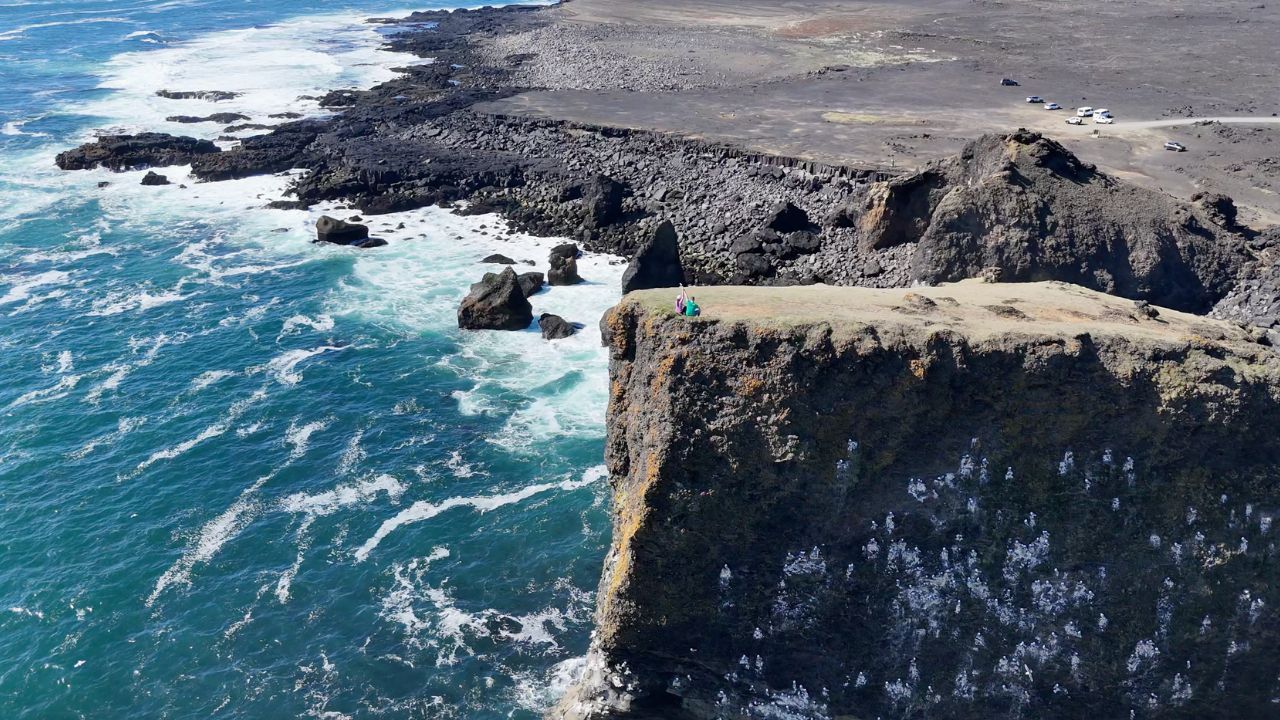
If I had a króna for every time a traveler told me, “I wish someone had told me that before I booked,” I’d have… well, enough to buy you a hot chocolate at a roadside gas station on a windy day. Consider this your friendly, local nudge—the kind that saves your trip from avoidable stress and lets you soak up the good stuff (waterfalls, hot springs, northern lights) instead of Googling “why is Iceland so windy?” at 2 a.m.
Below are the Iceland travel tips I share with friends and family—practical, honest, and learned from helping thousands of visitors gear up the smart way.
The #1 Regret: Underestimating Iceland’s Weather (Especially the Wind)
You’ve heard “four seasons in a day,” right? Cute phrase—until you’re holding a car door in a crosswind that could send it flying. Iceland’s weather isn’t just cold vs. warm; it’s dry vs. sideways rain, calm vs. gusts that make you lean into your steps. Even in summer, wind and rain can turn a “quick waterfall stop” into a soaking.
Local tip: Check the wind forecast, not just temperature. A mild day at 10°C with strong gusts can feel brutally cold if you’re damp and unprepared.
What you’ll want (year-round):
- A shell jacket that’s both waterproof and windproof (not just “water resistant”)
- Waterproof pants (game-changer for waterfalls and rain squalls)
- Mid-layer (like fleece or light down) + base layer (merino or synthetic)
- Hat and gloves (even in summer, you’ll thank me on breezy viewpoints)
- Waterproof footwear with good traction
Why travelers regret skipping this: Wet jeans and soggy sneakers = short hikes, fewer photos, and lots of “let’s go back to the car.”
Packing: Bring Less, Pack Smarter (Rent the Rest)
I see it every week: people hauling massive suitcases full of gear they use once—then pay extra baggage fees to haul home. The secret is to pack light and rent locally the specialty items you only need for Iceland.
Bring from home:
- Quality base layers, mid-layer, personal meds
- Your favorite daypack
- Swimwear and quick-dry towel (for hot springs and pools)
- Power bank and universal adapter
- Small first-aid kit, lip balm, moisturizer (the air is dry!)
Rent here (smart move):
- Waterproof pants and technical shells if you don’t already own them
- Hiking poles (great for uneven, icy, or windy paths)
- Microspikes in winter/shoulder season (for icy parking lots and well-trodden paths—note: not for glaciers; those require guides and crampons)
- Roof boxes, child seats, Wi-Fi hotspots, and inverter/chargers for road trips
Renting means you arrive lighter, avoid last-minute “emergency” purchases, and get gear that actually matches Iceland’s reality. It also frees space for souvenirs (looking at you, lopapeysa sweaters).
Money, Time, and Sanity: Why Renting Gear Locally Just… Works
You’re not moving to Iceland. You’re visiting. Spending hundreds on storm-proof kit you’ll use for a week is the expensive way to do it—especially with airline baggage fees. Renting locally helps you:
- Save money: Pay only for the days you actually need specific gear.
- Travel lighter: Carry-on level luggage is realistic if you rent bulky items here.
- Be better prepared: Get gear selected for Iceland’s conditions, not a generic “rain jacket” from a sunny-climate store.
- Stay flexible: If the forecast changes, swap items or add-ons the day before a tour.
- Reduce waste: Fewer one-time purchases, more reuse. Good for the planet you came to admire.
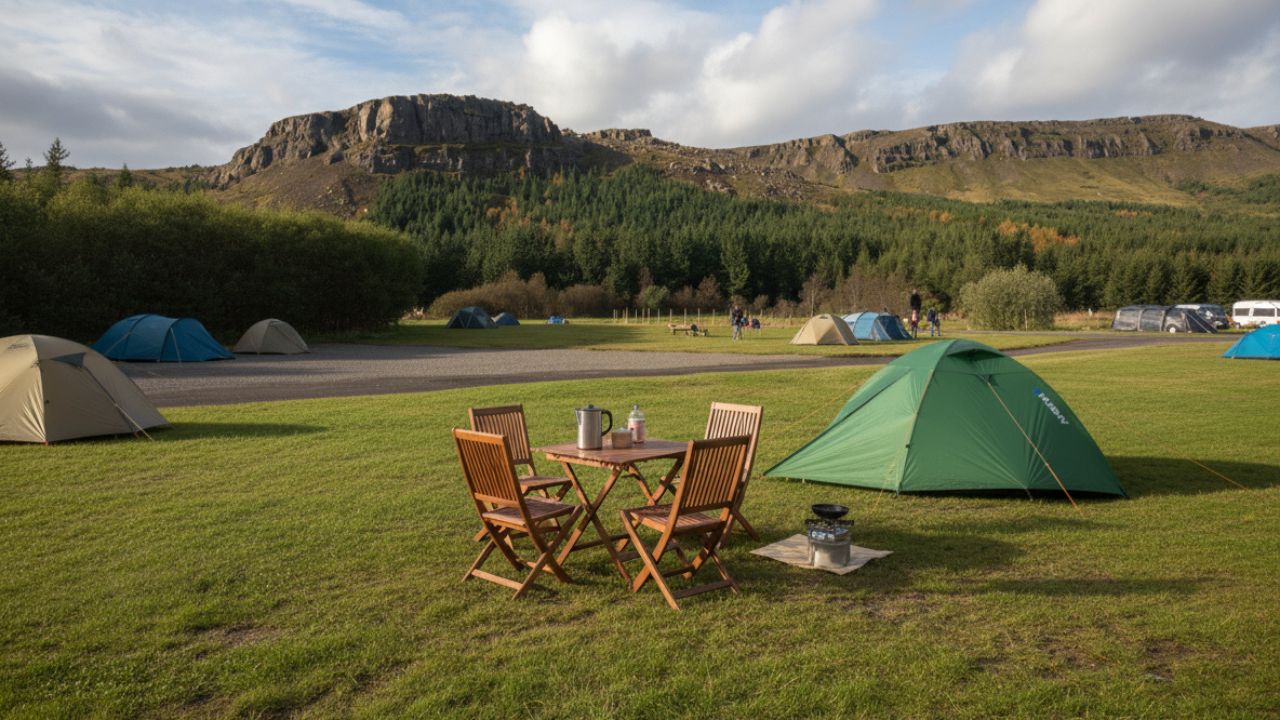
Want to keep costs down without lugging a home’s worth of gear through the airport? Mixing a few campsite nights with guesthouses/hotels is a sweet middle ground—rest well, dry out, then camp again when the forecast and location line up. And yes, if you’re on a tight budget, sleeping in your car at official campsites (never roadside) is a totally normal way to do Iceland.
Quick but important: In Iceland, camp only in designated campsites. Sleeping in a tent or car outside a campsite isn’t allowed in most places and leads to big fines and unhappy locals. Campsites are everywhere, reasonably priced, and have showers, kitchens/lounges, and charging points.
What to Rent (and Why)
Storm-worthy tent (2–4 person)
- Look for a low profile and plenty of guy-out points. Iceland = wind.
- Tip: Choose a size up if you’ll store bags inside during rain.
Sleeping bag (season-appropriate)
- Summer: Comfort rating around 0 to +5°C works for most people; if you sleep cold, go warmer.
- Shoulder months/windy coasts: Aim colder (−5 to 0°C comfort).
- Down vs. synthetic: Down is lighter/warmer; synthetic handles damp better. We’ll help match your route and season.
Insulated sleeping pad
- The ground steals heat fast. Aim for R-value 3+ in summer and 4+ in shoulder seasons.
- Cold sleepers do great with inflatable + foam combo.
Car-camping add-ons (if you’re sleeping in the vehicle at campsites)
- Compact mattress sized for your vehicle’s rear.
- Microfiber cloth for condensation; do not sleep with the engine running—ever.
- Check your rental car’s policy; some allow it, some don’t. Either way, keep it to campsites.
Camp kitchen kit
- Gas stove + windscreen, pot/pan set, utensils, lighter, sponge, small cutting board.
- Campsite shelters are great on windy/rainy evenings; just follow posted rules.
When to Camp vs. Book a Room
- Camp nights: When the forecast is friendly, you’re near a scenic campsite, or you want slow evenings outdoors.
- Guesthouse/hotel nights: After a big weather front, when you need a proper dry-out/charge-up, or before/after long drive days.
- Easy rhythm for budgets: 2–3 nights camping → 1 night guesthouse → repeat. It keeps spirits high and gear fresh.
Car Rental Reality Check: Roads, Wind, and the “Hold Your Door” Rule
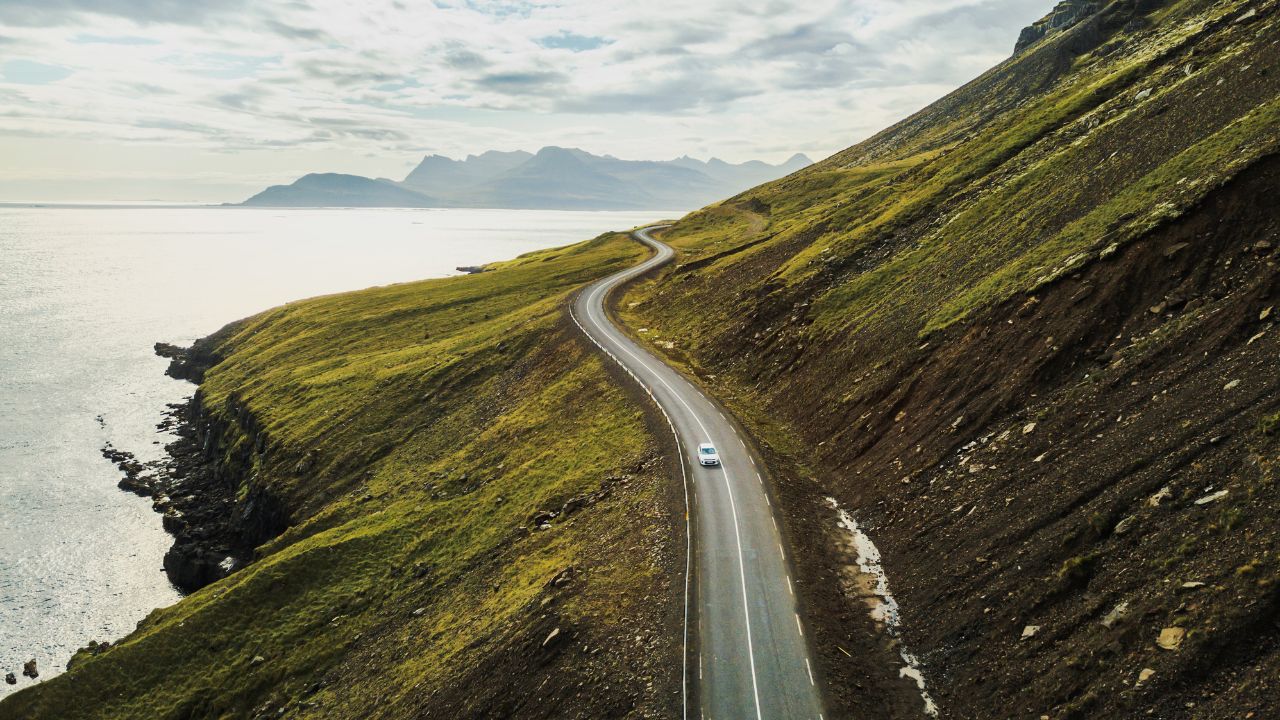
Iceland’s roads are generally good, but conditions change fast and rural stretches can be rough:
- Wind + doors: Always hold your car door with both hands when opening, especially when the wind is behind you. Door damage is a common (and expensive) visitor story.
- Gravel and shoulders: Many sights include gravel roads or car parks. Drive slower than you think you need to.
- F-roads (highland tracks): Open only in summer and require 4x4. They’re not for standard cars, and fording rivers is a real skill—don’t wing it.
- Winter tires: If you’re here in winter, confirm your rental has proper seasonal tires. Drive gently; black ice is sneaky.
- Fuel and washer fluid: Top up both when you can. Your windshield will meet a lot of spray and dust.
Local tip: Plan drive times with a buffer. Mapping apps don’t account for frequent “wow, pull over!” stops, crosswinds, or long stretches without services. Fewer stops, longer stays = happier road trip.
Safety resources to check before driving:
- Weather forecasts and wind warnings
- Road conditions and closures
- Travel alerts and safe touring advice
(Your rental desk or hotel will point you to the official Icelandic sites.)
The “Waterfall Bubble”: Staying Dry = Better Photos, Better Mood
I’ve watched many travelers sprint to a waterfall in jeans, get blasted by mist, and spend the rest of the day damp. Two fixes change everything:
- Waterproof pants. Slip them on in the car park, enjoy the spray without worrying.
- Dry bags + microfiber cloths. Keep your camera/phone dry and wipe lenses often.
Bonus: pack a spare base layer top and socks in a zip bag. Few things boost morale like a dry swap after a wet hike.
Summer vs. Winter: Your Plans Shouldn’t Look the Same
Summer (June–August):
- Midnight sun: You’ll have long daylight—perfect for flexible schedules and late-night photo missions with fewer crowds.
- Highlands: Usually open mid/late summer, with raw, otherworldly landscapes (4x4 only, and check conditions).
- Bugs & dust: A lightweight head net can be nice near certain lakes; sunglasses help with bright, low-angle sun.
Winter (late September–April):
- Short daylight: Plan fewer activities per day and anchor your schedule around the light.
- Northern lights: Possible on dark, clear nights away from city glow—bring warm layers, a tripod, and patience.
- Ice + wind: Parking lots, paths, and even viewpoints can be slick. Microspikes are worth their weight.
Shoulder seasons (spring/autumn):
Unpredictable weather, mixed road conditions, and beautiful light. Pack for every forecast, and keep plans flexible.
The “Everywhere Is Close” Myth: Iceland Is Bigger Than It Looks
The famous Ring Road loops the island for over 1,300 km. It’s a stunning drive—but not a weekend errand. I meet travelers with five-day trips and a 20-stop list who end up rushing from place to place. The memories you want—soaking in a quiet hot spring, lingering at a lava field, waiting for a rainbow at a waterfall—need time.
Local game plan:
- For 3–5 days, choose one region (South Coast, Snæfellsnes, or the Golden Circle + Reykjavik area).
- For 7–10 days, a Ring Road loop can work—but keep your daily mileage modest.
- Build a Plan B each day in case of weather or road closures.
Cameras, Phones, and Keeping Things Alive
Phones and cameras lose battery faster in wind and cold. Keep spares close to your body and pack:
- Power bank (at least one, fully charged)
- Car charger
- Lens cloths (you’ll use them a lot)
- Tripod that can handle wind (renting a sturdier one here is often cheaper than buying a heavy model just for this trip)
Pools & Hot Springs: Don’t Forget Swimwear and Towel
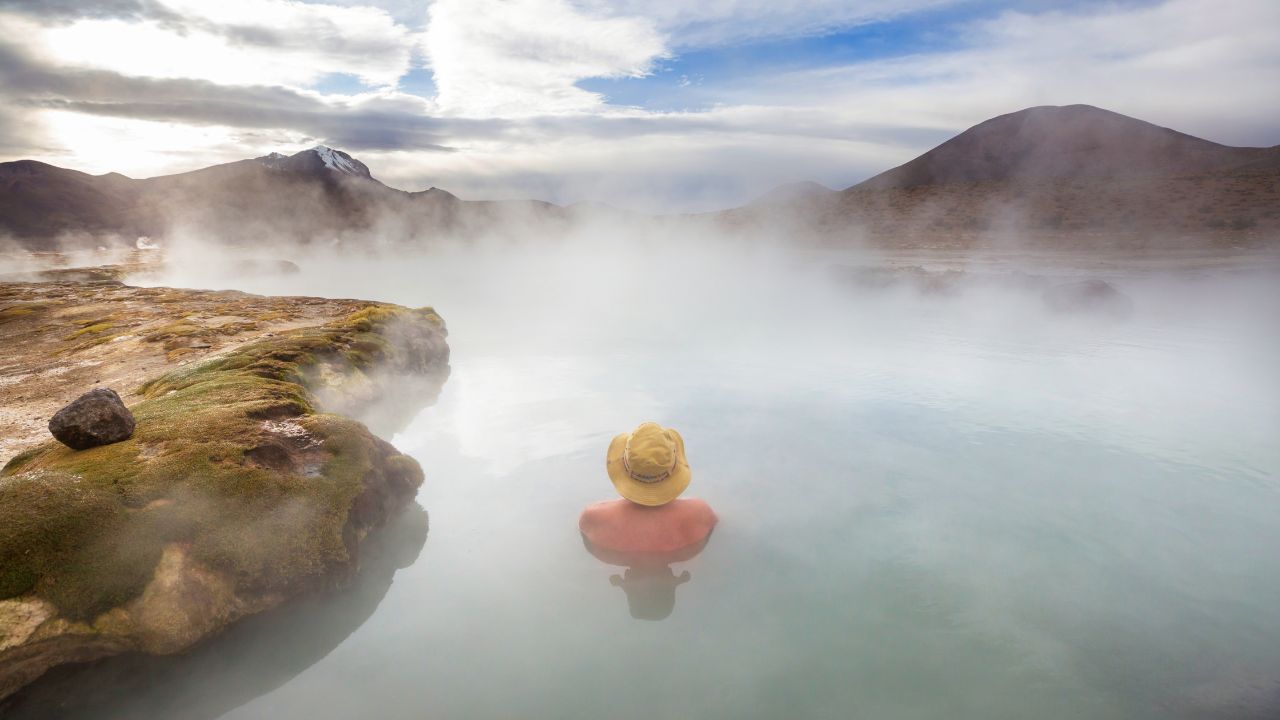
Every town has a local pool, and it’s one of the best ways to feel at home in Iceland. You’ll want:
- Swimsuit (yes, even in winter)
- Quick-dry towel (some places rent towels, but it’s nice to have your own)
- Dry bag for wet gear in the car
Local etiquette: Shower (with soap) before entering. It’s normal, and it keeps the water clean.
Things Locals Wish Every Visitor Knew
- Hold car doors—always—when it’s windy.
- Never drive off-road (it’s illegal and damages fragile nature).
- Check conditions daily when road-tripping.
- Top up washer fluid; your windshield will get muddy and salty.
- Pack snacks and know grocery store hours outside Reykjavik.
- Respect warning signs at beaches and cliffs. The ocean here is powerful.
- Glaciers require guides. Don’t venture onto glacier ice with casual microspikes; it’s dangerous.
- Take your time—the best moments often happen between the “big” sights.
Common “Oops” Moments (and How to Dodge Them)
- Buying the fanciest jacket “just in case.”
Rent a proper shell here and avoid overspending on a one-time item. - Assuming the forecast won’t change.
It will—sometimes hourly. Layering + flexible daily plans = happy traveler. - Planning six major stops per day.
Pick three. Enjoy them. Add a fourth if time and weather allow. - Leaving waterproof pants off the list.
These turn “I’m soaked” into “This is fun!” in a single zip. - Forgetting about the wind when opening car doors.
Repeat after me: Hold. Your. Door. - Expecting northern lights every night.
They’re a bonus, not a guarantee. Clear, dark skies help; patience helps more.
Final Thought: Plan Smart Now, Thank Yourself Later
Iceland is magical, but it rewards travelers who prep for wind, rain, and flexible plans. Pack layers, protect yourself from spray, respect the roads, and don’t be shy about renting the odd item you’ll use constantly here and never at home. Do those things, and your photos won’t just look incredible—you’ll remember how comfortable and confident you felt taking them.
If you’d like a quick, honest gear check for your itinerary, reach out. We’ll help you fine-tune a lightweight packing list and set aside any rentals you’ll need—no hard sell, just local advice so you can book with confidence and enjoy the best of Iceland, comfortably.