

How Much Does it Cost to Camp in Iceland (2026 Budget Breakdown)

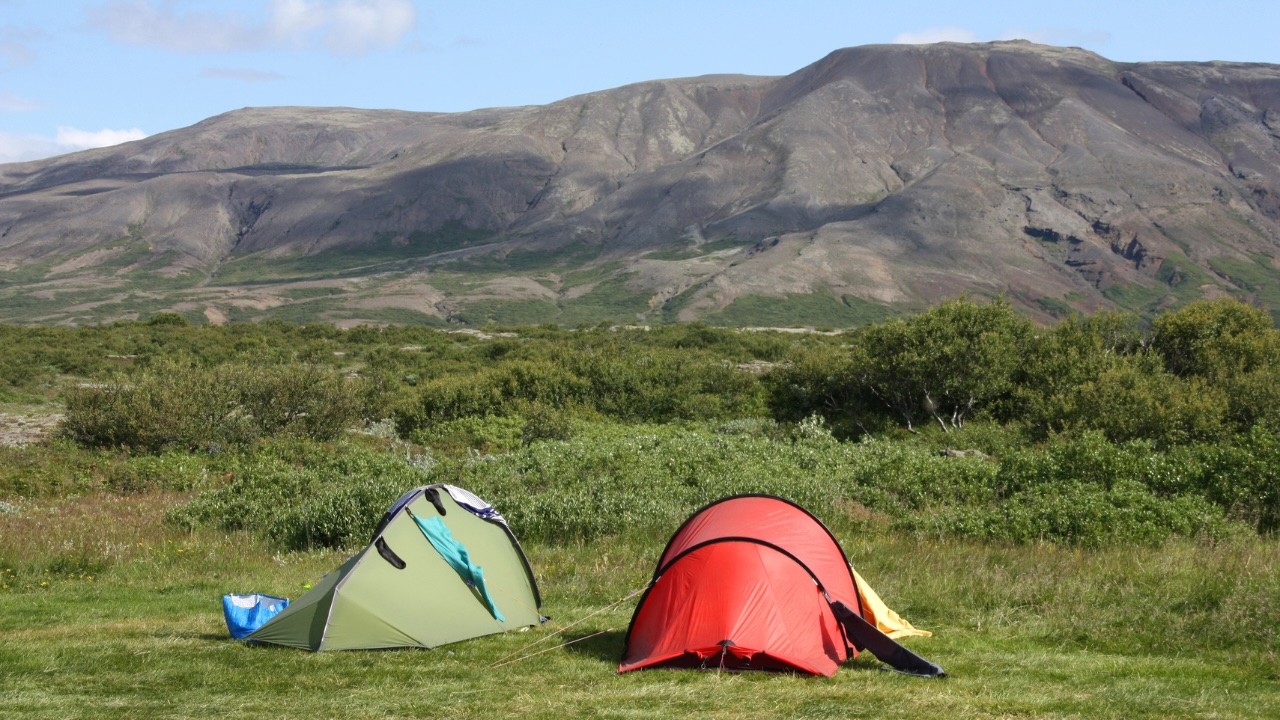
If you're planning a camping trip to Iceland, one of the first questions you'll probably ask is: How much does it actually cost to camp in Iceland? The good news is that camping is one of the most budget-friendly ways to explore the country, but costs can vary depending on where you stay, when you visit, and whether you're traveling with a tent or campervan.
In this guide, we'll break down the average cost of camping in Iceland, including campsite fees, the Camping Card, campervan overnight costs, and other expenses you should budget for. You'll also find practical tips to help you save money while enjoying everything Iceland has to offer. By the end, you'll know exactly what to expect and how to plan your camping budget with confidence.
Below is the real, current cost of camping in Iceland, broken into the pieces that actually add up: campsite fees, gear, food, transport, and the one decision that changes your total more than almost anything else — whether you pitch a tent every night or just sleep in the car.
The short answer first
For one person doing a one-week trip around Iceland, camping (not campervanning) typically costs somewhere between €450 and €900 total, depending on how you handle gear, food, and transport. The two biggest swing factors are:
- Do you rent, buy, or bring your own gear?
- Do you pitch a tent every night, or sleep in the car and skip the tent entirely?
That second one surprises people.
What campsites actually cost in Iceland
Let's start with the number everyone asks about first, because it's the one people get most wrong.
Iceland doesn't really have "free camping" anymore. Wild camping outside designated sites has been restricted since 2015, and rangers do check, especially in national parks and near popular attractions. So your baseline cost is the official campsite network, and it's a per-person, per-night fee — not per tent, not per car.
Here's what you'll actually pay, based on real 2026 pricing:
- Basic countryside campsites (small towns, farm campsites, North Iceland): roughly 1,800–2,500 ISK per person per night (about €12–17)
- Reykjavík Eco-Campsite, the main city campsite: 3,555 ISK for a tent pitch including one adult, plus 3,150 ISK per additional adult — closer to €24 per person, since you're paying for a prime location 2 km from downtown
- Skaftafell, inside Vatnajökull National Park — one of the most popular stops on the south coast: 2,800 ISK per person per night (about €19), plus 1,500 ISK if you want electricity
- On top of almost every fee, there's a national overnight accommodation tax of around 400 ISK per unit per night
A realistic average for a mixed route — some small-town sites, some bigger national park sites — lands around 2,000–2,800 ISK per person per night, or roughly €14–19. For two people camping seven nights, that's about €200–265 just in campsite fees.
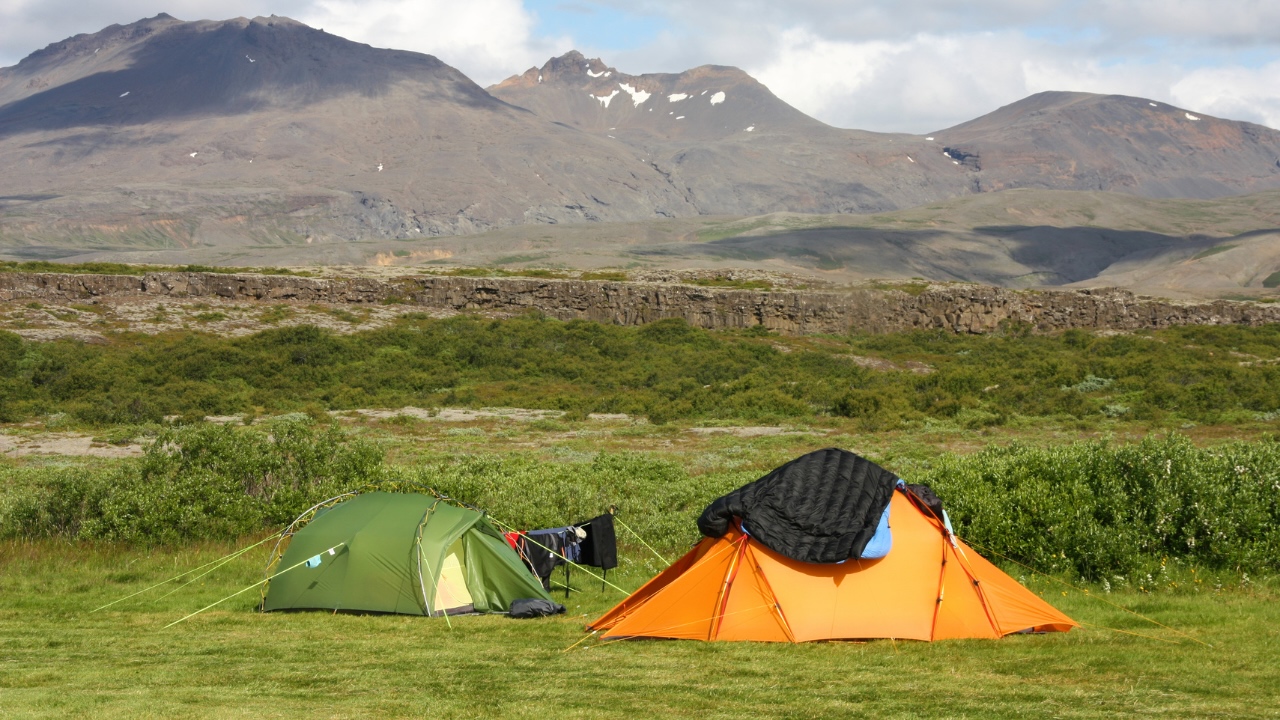
Is the Camping Card worth it?
If you're staying at Iceland's official campsites for a week or more, the Iceland Camping Card is worth doing the math on. In 2026 it costs around €179 and covers two adults plus up to four kids under 16 for 28 nights at over 40 participating campsites, from spring through mid-September. You still pay the small nightly tax (400 ISK) separately.
Here's the honest breakeven: for two adults, the card pays for itself somewhere around 7–10 nights. Shorter trips, or trips where you're only staying at non-participating sites (some of the smaller regional ones aren't on the list), and you're better off just paying as you go. Longer road trips — the classic 10-to-14-day Ring Road loop — it's close to a no-brainer.
Gear: the cost that actually decides your budget
This is where most Iceland camping budgets quietly blow up or quietly save a few hundred euros, depending on the choice you make.
You've got three options:
1. Bring your own gear from home. Free in theory, but Iceland's weather is genuinely harder on equipment than most places — you need a tent that can handle sustained 40–60 km/h coastal wind without turning into a kite, and a sleeping bag rated well below what you'd pack for a summer trip somewhere else. If you already own proper 3-season (or better) gear, this is the cheapest option — but factor in checked-baggage fees, and the fact that a flimsy 3-person dome tent from a big-box store back home is not built for an Icelandic gale.
2. Buy gear locally. Iceland is not a cheap place to shop. A wind-rated tent runs €200–500, a properly rated sleeping bag €150–400, and a good sleeping mat €80–200. A full one-person setup easily hits €600–1,300. Unless you're planning to camp regularly after this trip, that's a lot of gear to fly home with — or leave behind.
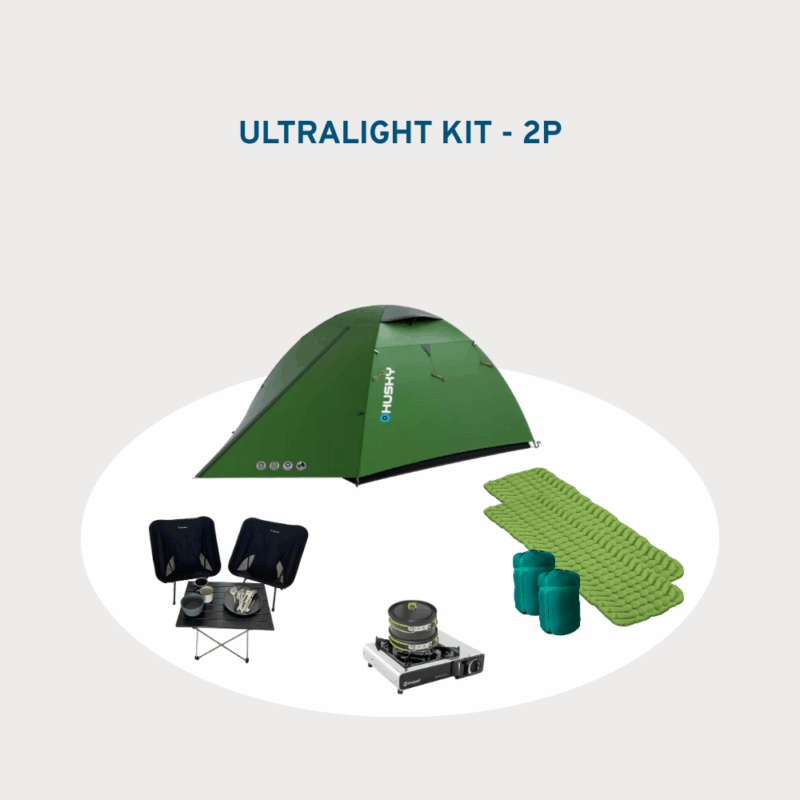
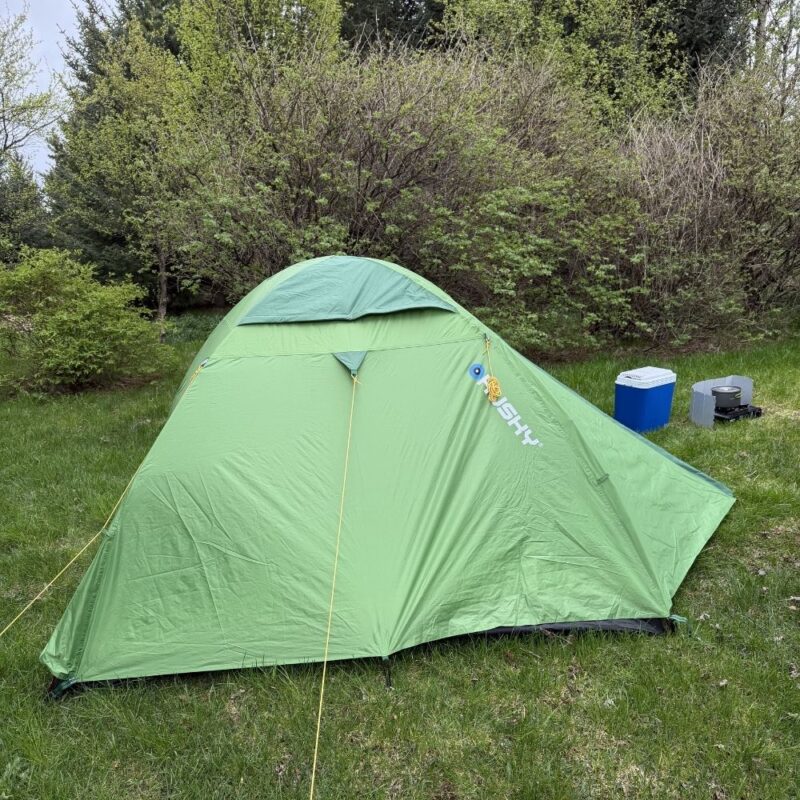
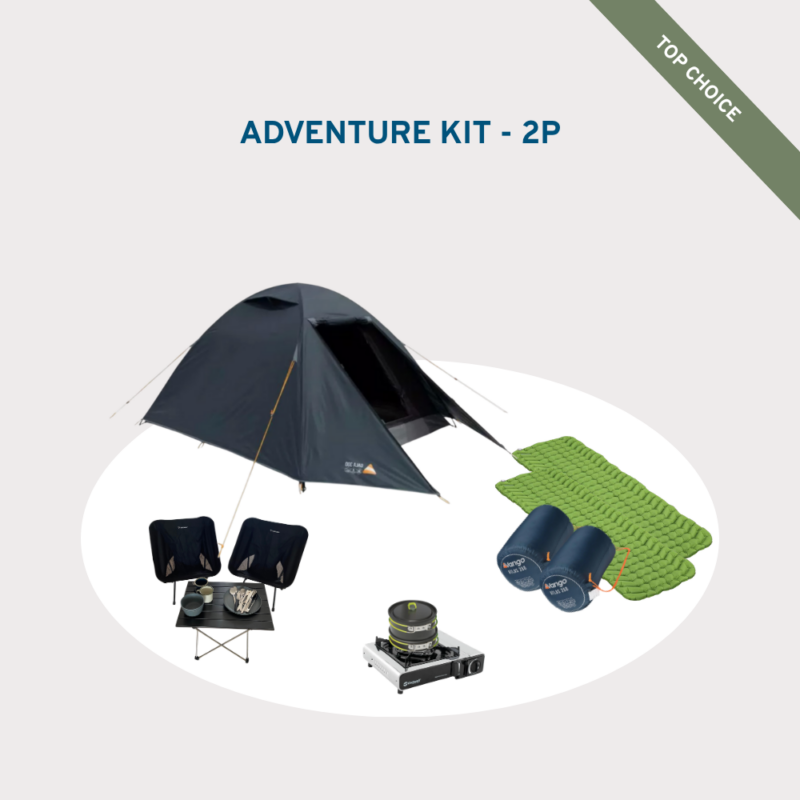
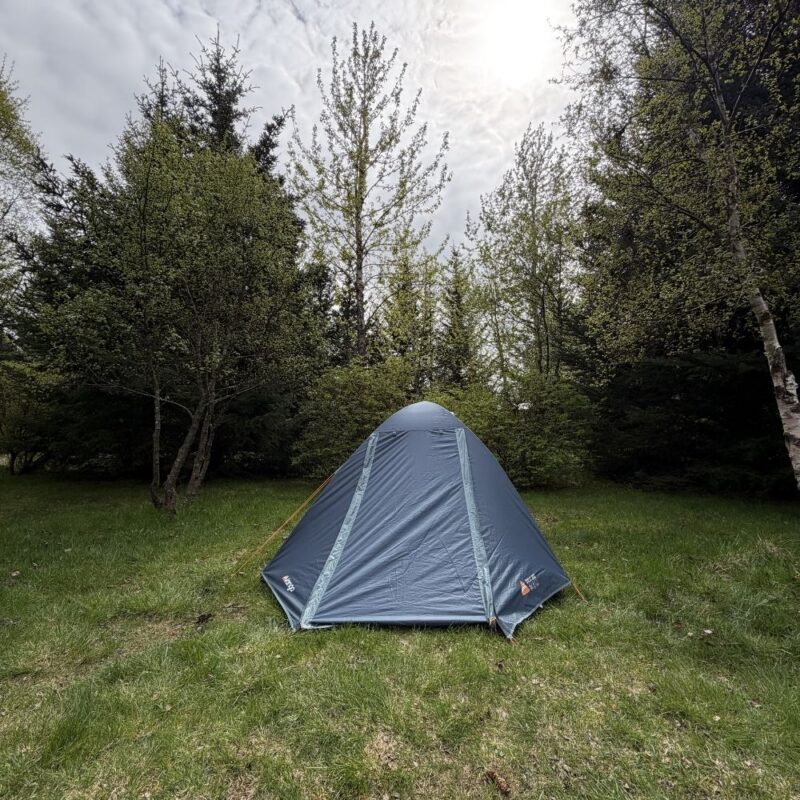
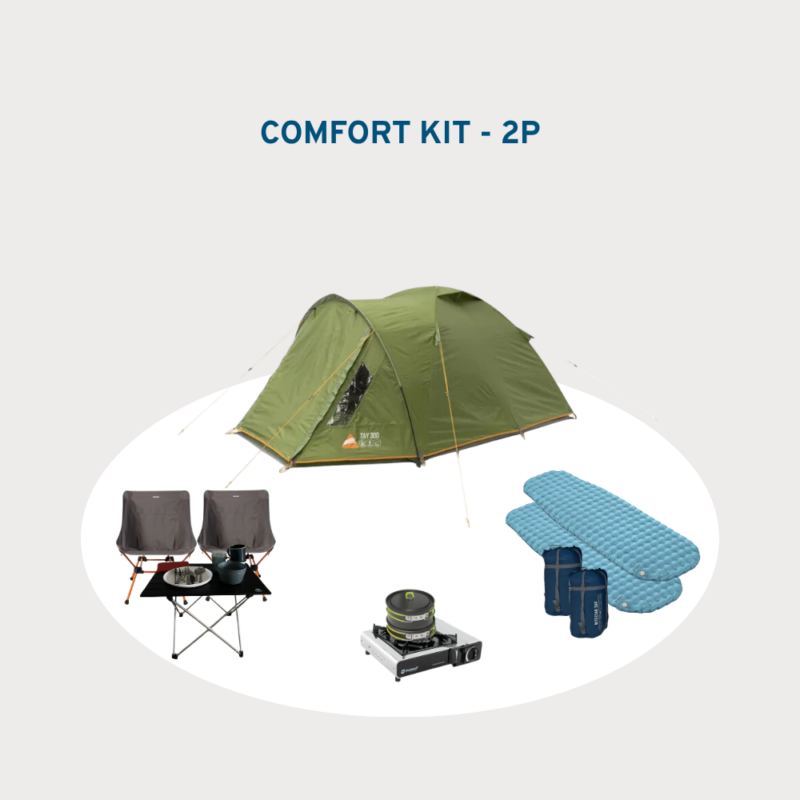
3. Rent it. This is where most travelers land once they actually run the numbers, and it's honestly the option I'd point most first-timers toward. You get gear that's already tested for Icelandic wind and rain, you don't carry anything extra on the plane, and you're not stuck owning a tent you'll use once.
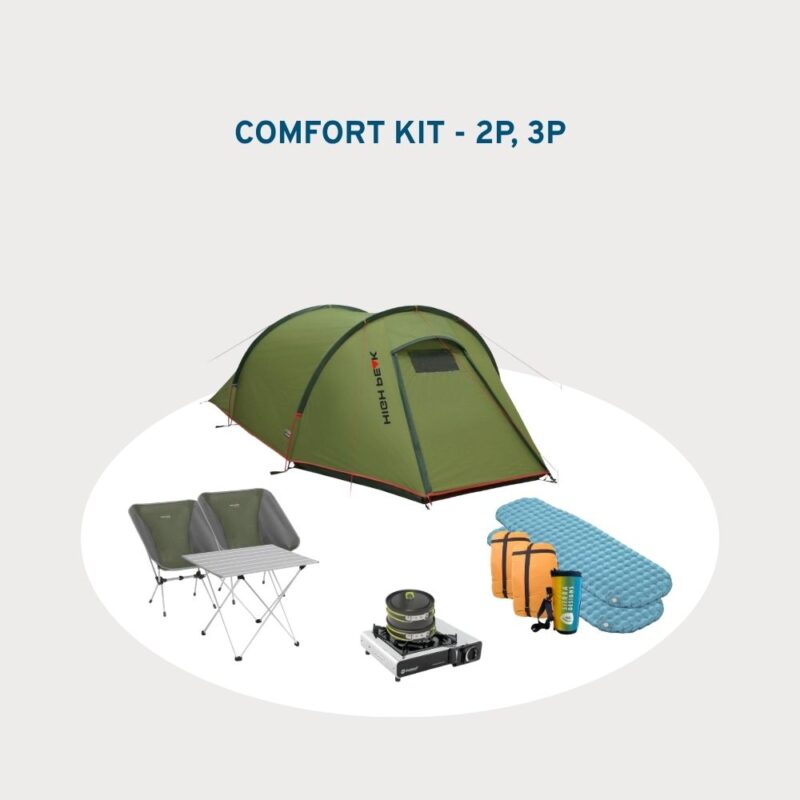
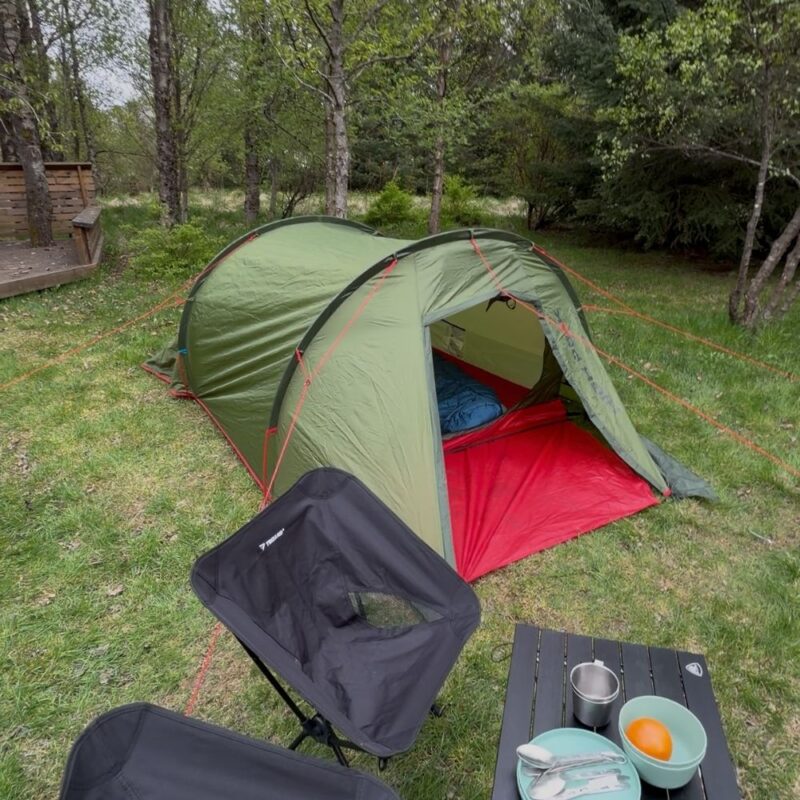
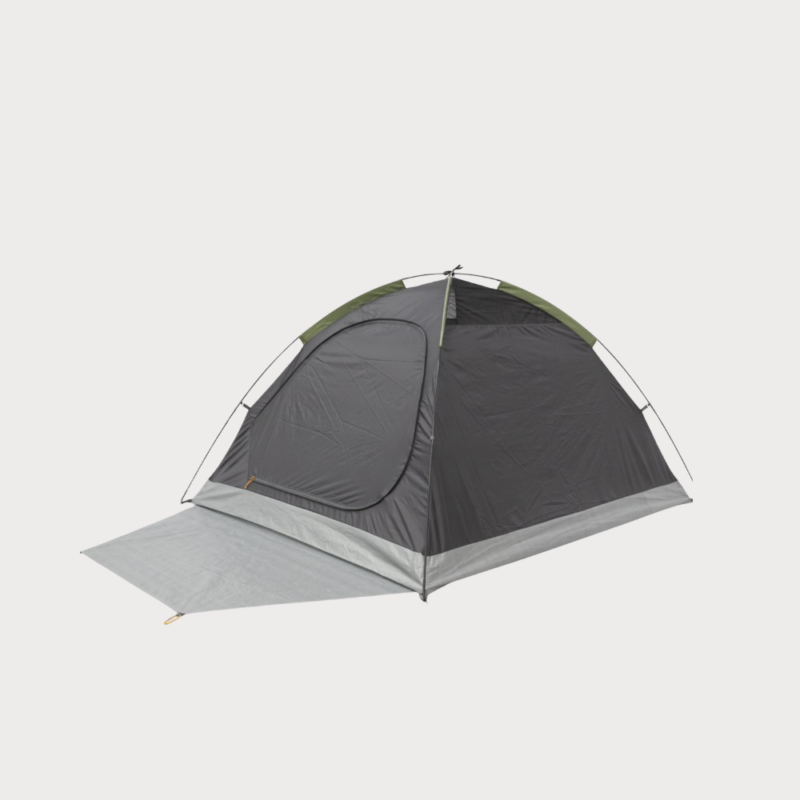
To give you real numbers instead of vague ranges: a full camping kit — tent, sleeping bag, sleeping mat, and cooking gear — for one person, one week, runs around €350. That covers everything you'd need to pitch a proper campsite setup every night for seven nights.
The move that actually saves you the most money: tent vs. car camping
Here's the part almost nobody talks about, and it's the biggest lever in this whole budget.
If you're renting a car anyway (and most independent Iceland trips do), you don't have to pitch a tent every single night. A car camping kit — sleeping bag, sleeping mat or car-adapted mattress, and the basics for cooking, minus the tent itself — costs around €100 for a week, versus roughly €350 for the full tent setup.
That's not a small difference. That's €250 back in your pocket, just by skipping the tent and sleeping in the back of the car (with the seats down and a proper mat, this is far more comfortable than it sounds — plenty of budget travelers do the entire Ring Road this way).
The trade-off is honest: you need a car with enough space to actually lie down flat, you'll want good window covers or blackout material for the midnight sun in summer, and you lose a bit of the "camping" atmosphere — no sitting outside the tent at your pitch in the evening. But if your priority is stretching the budget as far as possible, or you're doing a trip where weather makes tent nights miserable anyway (September through April, basically), the car camping kit is the smarter €250 saved.
Quick comparison for one person, one week:
| Setup | What's included | Approx. cost |
|---|---|---|
| Full camping kit (tent) | Tent, sleeping bag, mat, cooking gear | ~€350 |
| Car camping kit | Sleeping bag, mat/mattress, cooking gear (no tent) | ~€100 |
| Buying gear new locally | Tent, bag, mat (basic quality) | €600–1,300+ |
If you're traveling as a couple, you can split a lot of this — one tent or one car setup covers two people, so per-person cost drops significantly compared to the numbers above.
A realistic 7-day sample budget
Let's put it all together for one person doing a week-long Ring Road-style trip. I'm giving you two versions, because the tent-vs-car decision changes the total so much.
Version A: Tent camping, full rental kit
| Item | Cost |
|---|---|
| Campsite fees (7 nights, avg. €16/night) | ~€112 |
| Full camping gear rental (tent, sleeping bag, mat, stove) | ~€350 |
| Food (self-catering, groceries) | ~€200–350 |
| Fuel (economy car, ~1,200 km loop) | ~€150–200 |
| Car rental (economy, 7 days, summer) | ~€420–560 |
| Total (excluding car) | from €700 |
| Total (including car) | from €1,250 |
Version B: Car camping, lightweight rental kit
| Item | Cost |
|---|---|
| Campsite fees (7 nights, avg. €16/night) | ~€112 |
| Car camping kit rental (sleeping bag, mat, cooking gear) | ~€100 |
| Food (self-catering, groceries) | ~€200–350 |
| Fuel (economy car, ~1,200 km loop) | ~€150–200 |
| Car rental (economy, 7 days, summer) | ~€420–560 |
| Total (excluding car) | from €420 |
| Total (including car) | from €990 |
If you're already renting a car for the trip (which most travelers are, since it's genuinely the best way to see Iceland), the car cost is a sunk expense either way — so the real comparison is that €560-ish tent trip vs. €330-ish car camping trip for gear, food, and campsites combined. That gap is almost entirely the tent-vs-car decision.
Food and fuel — the two costs people underestimate
Food. Eating out in Iceland is genuinely expensive — a casual meal or hot dog stand runs €12–20, and a sit-down dinner easily hits €50–75 per person. Almost every camper I've talked to who kept their budget under control did the same thing: shop at Bónus or Krónan (the budget supermarket chains) and cook at the campsite kitchens most sites provide. Budget around €12–18 per person per day if you're cooking most meals and treating yourself to the occasional hot dog or coffee out.
Fuel. With gas prices sitting well above what most visitors are used to, fuel for a full Ring Road loop (roughly 1,200–1,400 km) typically runs €180-250 for an economy car, more for a 4x4 heading into the highlands. Factor this into your route planning — backtracking costs real money in Iceland.
Money-saving tips that actually make a difference
- Travel in May or September. Shoulder season means lower campsite crowds, often slightly better car rental rates, and you still get reasonable weather and long daylight.
- Rent gear instead of buying, unless you're a frequent camper who'll use it again — the math almost never favors buying for a single trip.
- Consider a car camping setup for at least part of your route, especially if you're moving fast between stops and won't be sitting around the tent in the evenings anyway.
- Cook your own meals. This alone can save more than any other single decision on this list.
- Do the Camping Card math honestly — it's fantastic for long, campsite-heavy trips and a waste of money for short ones.
- Book gear rental in advance during peak summer. Tents and sleeping bags do sell out in July, and last-minute rentals cost you flexibility, not just money.
Frequently asked questions
Yes, usually significantly. A guesthouse room often runs €100–200+ per night, while a campsite pitch is closer to €15–25 per person. Even with gear rental factored in, a week of camping is typically less than half the cost of a week of guesthouse stays.
No — wild camping outside designated campsites has been restricted since 2015, and this is enforced, especially inside national parks like Þingvellir, Vatnajökull, and Snæfellsjökull. Stick to registered campsites.
It depends on what you already own. If you have proper wind- and cold-rated gear, bringing it is cheapest. If you'd need to buy new gear for this trip, renting is almost always cheaper and far less hassle than flying with bulky equipment.
Sleep in a rented car with a lightweight car camping kit (sleeping bag, mat, basic cooking gear), stick to smaller regional campsites over premium ones like Reykjavík's, cook your own meals, and travel in shoulder season.
If you're weighing up a full tent setup against a car camping kit for your own trip, we're happy to help you figure out which one actually fits your route — some parts of Iceland (like the highlands or longer hiking legs) really do call for a proper tent, while a fast-moving Ring Road loop is often better done from the car. Have a look at our camping gear rental options or send us a message with your itinerary and we'll point you toward the setup that makes sense for your budget.